

Sustainable Mobility Conclave 2025: Driving India’s Green Automotive Revolution
- By MT Bureau
- August 25, 2025
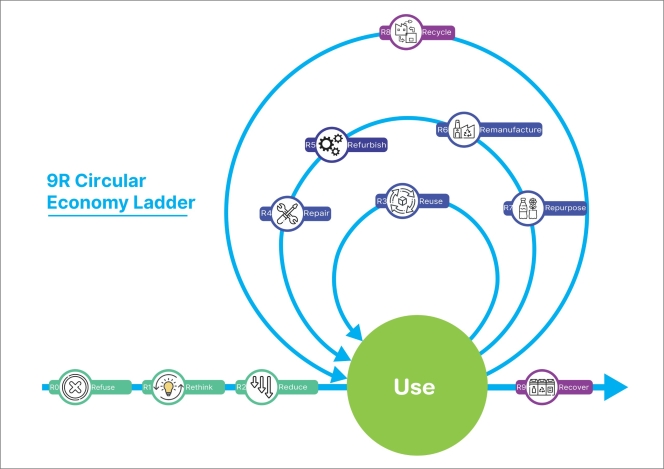
The automotive industry world over faces significant sustainability challenges, including high carbon and other particulate emissions, depleting resources, supply chain complexities and slower pace of transition to cleaner and greener mobility. Indian automotive industry over and above has additional challenges, where gaps in recycling infrastructure, hazardous waste disposal and end-of-life vehicles (ELVs) management further obstructs sustainability in the sector. The balance between cost and greener technologies is much trickier to handle.
To bring national attention to this burning topic, a Sustainable Mobility Conclave 2025, is planned at NATRAX, Indore, which isn’t just another conference but a movement to reimagine, redesign and reinvent how Indian automotive carve out its sustainable future path.
The mission: A circular, sustainable and low-emission future
With its core theme, ‘Recycling, Circularity and Sustainability in Mobility’, the conclave seeks to align the Indian automotive ecosystem with global best practices on environmental responsibility. The event aims to be a catalyst for change – putting focus on how vehicles and its associated components are designed, manufactured, consumed and, ultimately, responsibly retired.
In view of the End-of-Life Vehicle (ELV) Management Rules and a rising need for compliance under Extended Producer Responsibility (EPR), the conclave arrives at a critical juncture.
Why this conclave?
India is poised to witness 80 million EVs on the road by 2030. But without parallel efforts in circular economy practices, recycling infrastructure and emission reduction, green mobility may not be truly green. The European Union already recovers 95 percent of vehicle materials from scrapped vehicles, a benchmark India must realistically chase.
Switching to recycled materials, embracing bio-based alternatives and integrating green energy into manufacturing are not just environmental mandates anymore – they are strategic business moves. Reduction in import dependency and a stable supply chain is the need of the hour.
What to expect?
This two-day summit is designed to bring together a powerful mix of automotive manufacturers, recyclers, government leaders, startups and academic minds. And the agenda? Packed with purpose.
Day 1 highlights:
- Session 1: Circular economy lessons – Tapping into waste as a resource, with a strong focus on e-waste, industrial scrap and auto components.
- Session 2: Nature’s waste into products – How bamboo, fruit pulp, seaweed and more are being transformed into auto-grade materials.
- Session 3: From policy to practice – Bridging gaps between regulation and action; featuring deep dives into ESG, green data centres and the Right to Repair.
- Session 4: Industry success stories – Real-world case studies from top OEMs on implementing sustainable systems.
Day 2 focus areas:
- Session 5: Beyond metals – Innovation in plastic, rubber and fibre reuse.
- Session 6: Sustainability education – Building a green-ready workforce.
- Session 7: Organisational sustainability – How automotive companies are embedding sustainability into their DNA.
- Session 8: Leadership reflections – A unique dialogue on the societal impact of green mobility transitions.
Join the movement
The Sustainable Mobility Conclave 2025 isn’t just about talks. It’s about transformation. Whether you’re an OEM, policymaker, recycling expert, student or sustainability advocate, this is where the narrative of Indian future mobility is getting actively debated and jointly co-created.
Because sustainability isn’t a choice anymore. It’s the only road ahead!
Eicher Motors Reports INR 55.15 Billion Net Profit For FY2026
- By MT Bureau
- May 22, 2026
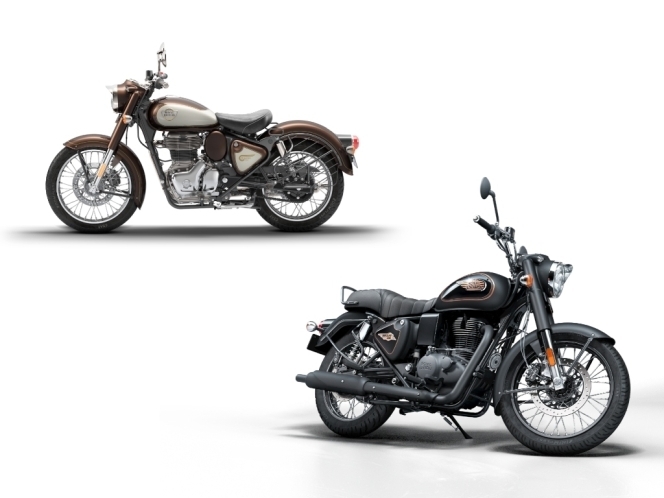
Eicher Motors, one of the leading manufacturers of two-wheelers and commercial vehicles, has announced its financial results for Q4 FY2026 and FY2026.
During Q4 FY2026, Royal Enfield sold 313,811 motorcycles, up 12 percent YoY, while VE Commercial Vehicles (VECV) reported sales of 33,976 units, as against 28,675 units a year ago. The company reported INR 60.8 billion revenue, up 16 percent YoY, EBITDA of INR 15.14 billion, up 20 percent YoY and net profit of INR 15.20, up 12 percent YoY for Q4 FY2026.
For FY2026, Royal Enfield reported its highest-ever annual sales, surpassing 1.2 million units, up 22 percent YoY, which includes 1.10 million units in the domestic market, up 23 percent YoY.
The revenue came at INR 234 billion, up 24 percent YoY, EBITDA at INR 57.8 billion, up 23 percent YoY and profit after tax of INR 55.15 billion, up 17 percent YoY.
B. Govindarajan, Managing Director - Eicher Motors and CEO, Royal Enfield, said, “FY2026 has been an exceptional year for Eicher Motors and Royal Enfield, marked by strong growth, record volumes, and a continued focus on our global ambitions during our 125th anniversary. We achieved over one million motorcycle sales for the second consecutive year and recorded our best-ever festive season, with record volumes in both domestic and international markets. We also marked a major milestone in April ‘26 with our entry into the electric mobility space via the launch of the Flying Flea C6. International business remains a key priority as we steadily deepen our presence in markets like Brazil. This year, we also took the brand into new cultural spaces - ranging from gaming collaborations to marquee community rides - that strengthen our global identity. To power our next phase of growth, we have committed to significant investments, including the brownfield capacity expansion at Cheyyar with INR 9.58 billion and our strategic expansion plan at Tada in Andhra Pradesh, both aimed at building future-ready capacity to support our long-term projected growth.”
B Srinivas. Managing Director and Chief Executive Officer, VECV, said, “Crossing the milestone of 1,00,000 vehicles in a year is a significant achievement for VECV and reflects the trust our customers have placed in our products and solutions. This milestone also fulfills a key part of the original vision set at the inception of the Volvo–Eicher joint venture, underscoring the strength and long-term strategic direction of our partnership. During the year, VECV launched several innovative solutions in the rapidly evolving Indian CV Industry -including the Eicher Pro X Small Truck for city distribution, 12 m Eicher electric intercity coach, electric Tarmac Buses and the Volvo FM LNG Road Train specially designed for long haul logistics. As we move forward, we remain committed to driving the next phase of growth through innovation, sustainability, and deeper customer engagement.”
- REPS
- Road Energy Production System
- Alfons Huber
- Justin Karnbach
- Jens Maier
- Elisabeth Zehetner
- Austria
- International Association of Ports and Harbors
- Hamburg Porth Authority
- Hamburger Container Service
- road traffic
REPS Secures $23.6 Million Funding To Convert Road Traffic Into Clean Electricity
- By MT Bureau
- May 22, 2026
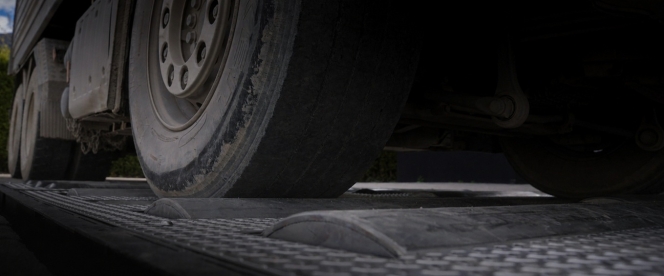
Austrian cleantech startup REPS has raised USD 23.6 million in an equity financing round to scale its patented Road Energy Production System. The technology integrates into existing road infrastructure to capture kinetic energy from moving vehicles and convert it into electricity.
The system is designed to install directly into road surfaces without disrupting traffic flow. It targets high-traffic locations where vehicles naturally slow down, brake or experience forces from slopes, such as ports, logistics hubs and industrial sites.
According to the company, the mechanical energy lost through traffic could theoretically address around 5 percent of global electricity demand. The technology features a converter built on a permanent magnetic bearing combined with electromagnetic induction, which operates without conventional mechanical friction and conventional wear.
REPS has been running its first commercial system at the Port of Hamburg since November 2025. Over a 6-month period, more than 115,000 trucks crossed the system, generating over 6,700 kWh of electricity under real traffic conditions. Following the deployment, the company has engaged with over 90 parties across the port industry in Europe, the Middle East, Asia and North America.
Internal projections suggest that installing 230 systems on public roads across the Port of Hamburg could generate 10 GWh of electricity annually, offsetting nearly 10 percent of the CO2 emissions caused by port traffic.
Alfons Huber, Founder and CEO, REPS, said, “Roads are everywhere. Traffic is everywhere. What was previously wasted energy can now be transformed into clean electricity through REPS. We spent six years developing the technology. Now the scaling phase begins. The strong demand from ports and logistics operators worldwide confirms the need for our solution, and with this financing round we can now scale at the speed required by the energy transition.”
Justin Karnbach, CEO, Hamburger Container Service, added, "The installation at our facility demonstrates the potential of REPS: where vehicles have to brake anyway, clean energy is recovered and can be used directly where we need it. Without any interference with traffic and without additional space."
Jens Maier, CEO, Hamburg Port Authority (HPA) and President of the International Association of Ports and Harbors, noted, “We can't wait to see REPS in action - not just in the Port of Hamburg, but throughout the city and far beyond, all over the world. The Port of Hamburg aims to achieve climate neutrality by 2040. HPA actively supports this ambition by implementing innovative technologies. REPS is a future-orientated technology that generates electricity from previously unused energy sources, making a significant contribution toward achieving climate neutrality. With its high volume of truck movements and its role as a central logistics hub, the Port of Hamburg offers ideal conditions to test technologies like REPS under real-world conditions.”
Elisabeth Zehetner, State Secretary for Energy, Startups and Tourism, Austria, said, “Start-ups are no longer a side topic, they are the innovation lab of our economy. This is where technologies like REPS from Austria are created. REPS is innovation made in Austria and showcases what our founders are capable of: they don’t just make small adjustments; they transform entire systems. A road becomes a power plant, and existing infrastructure becomes a building block for a sustainable future. Our role in politics is clear: we must ensure that start-ups find the right framework conditions in Austria. With the Start-up Umbrella Fund, we aim to make sure that innovation is financed, developed, and scaled here in Austria and Europe instead of eventually returning to us as an import from the U.S. or Asia”
LTM To Acquire Randstad’s Tech and Consulting Business
- By MT Bureau
- May 22, 2026
LTM, an AI-centric global technology services company and part of the Larsen & Toubro Group, has issued an offer to acquire Randstad’s Technology and Consulting Services business across France, Germany, Belgium, Luxembourg and Australia.
The transaction represents more than USD 500 million (EUR 469 million) in annual revenue and is intended to scale domain-driven solutions and AI services within these regions.
The proposed acquisition will expand LTM’s market presence in the aerospace, defence, automotive, utilities and banking and financial services (BFS) sectors. The integration is expected to bring localised domain expertise and regional capabilities in digital engineering, cybersecurity and the Internet of Things (IoT). These operations will be supported by onshore and nearshore delivery centres located in Romania and Portugal.
The transaction is part of a broader collaboration between the two companies. This includes a five-year IT services partnership to drive AI-enabled transformation for Randstad’s Global Capability Center in India, alongside a strategic talent Managed Services Provider (MSP) agreement to support LTM’s expanding workforce.
The acquisition will be executed through LTM’s wholly owned subsidiary, LTIMindtree UK and remains subject to regulatory approvals and customary closing conditions.
Venu Lambu, CEO & MD, LTM, said, “The proposed agreement is aligned with our five-year strategy to build a more resilient, diversified, balanced portfolio. By combining our global AI-centric capabilities with local context and industry depth, this acquisition would strengthen our ability to deliver compliant, domain-driven AI services and sovereign solutions in markets that are strategically important to us. This 360°partnership with Randstad would be a key step forward in our growth journey.”
Sander van ‘t Noordende, CEO, Randstad, added, “The proposed agreement marks a deliberate step in our Partner For Talent strategy. By partnering with LTM, we would ensure our clients continue to receive world-class services while we streamline our portfolio to invest in growth segments and digital marketplaces that offer the most scale and value. We are equally excited to partner with LTM in India, where their AI expertise will be instrumental in evolving our digital capabilities.”
- Stellantis
- Antonio Filosa
- FaSTLAne 2030
- Jeep
- Ram
- Peugeot
- FIAT
- Chrysler
- Dodge
- Citroen
- Opel
- Alfa Romeo
- DS
- Lancia
- Maserati
- STLA
- Leapmotor International
- Dongfeng
- Tata Motors
- Jaguar Land Rover
Stellantis’ Targets EUR 60 Billion Investment, 60 New Launches By 2030 Under FaSTLane 2030 Strategy
- By MT Bureau
- May 21, 2026
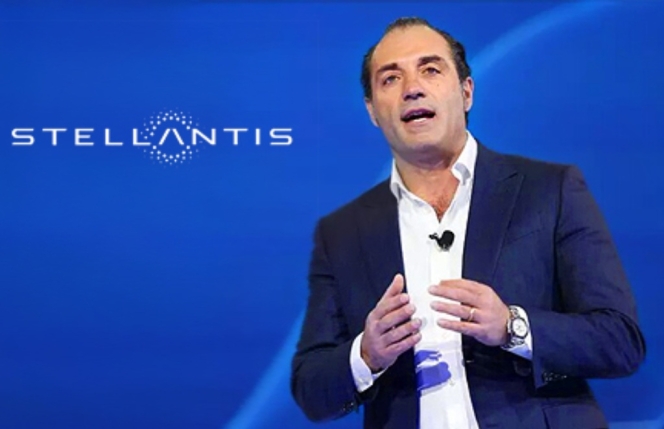
European auto major Stellantis has unveiled its FaSTLAne 2030 strategy, which will see it invest around EUR 60 billion over the course of the next five years.
The aim is to accelerate growth and profit, prioritising customer centrality and capital allocation across its global regions and brands.
Antonio Filosa, CEO, Stellantis, said, “FaSTLAne 2030 is the result of months of disciplined work across the Company and is designed to drive long-term profitable growth. With the customer at the centre of everything we do, the plan will deliver our purpose – ‘to move people with brands and products they love and trust’ – powered by our unique combination of strengths.”
The strategy focuses on an overhaul of the brand portfolio to improve capital efficiency, leading to more than 60 vehicle launches and 50 refreshes by 2030. The company will direct 70 percent of its product investments towards its four global brands – Jeep, Ram, Peugeot and FIAT – and its commercial vehicle unit, Pro One.
Its regional brands, including Chrysler, Dodge, Citroen, Opel and Alfa Romeo, will share global assets, while DS and Lancia will be managed as specialty brands. Maserati will add two vehicles to its lineup.
Filosa noted, “Every brand in Stellantis will play a clear role in delivering our FaSTLAne 2030 commitments.”
Stellantis will allocate over EUR 24 billion to global platforms, powertrains and technologies, including the new STLA One architecture. By 2030, half of its annual volumes will be produced on three global platforms. The company will also deploy its software and autonomous driving architectures – STLA Brain, STLA SmartCockpit, and STLA AutoDrive – starting in 2027.
The plan incorporates new and expanded corporate partnerships to access markets and share manufacturing capacity.
Through Leapmotor International, Stellantis will share capacity at its Madrid and Zaragoza plants in Spain. A joint venture with Dongfeng will produce Peugeot and Jeep models for China, while a European joint venture with Dongfeng will handle distribution and capacity sharing at the Rennes plant in France.
Stellantis is also working with Tata Motors to improve supply chain synergies in the Asia-Pacific, Middle East, Africa and South America regions, and will explore technology collaboration with Jaguar Land Rover in the United States.
Manufacturing capacity utilisation will be adjusted across regions, with European capacity expected to decrease by more than 800,000 units to raise utilisation from 60 percent to 80 percent by 2030. US capacity utilisation is also projected to reach 80 percent by 2030.
To improve execution, Stellantis aims to reduce vehicle development cycles to 24 months and implement a Value Creation Program to cut annual costs by EUR 6 billion by 2028.
“The success of FaSTLAne 2030 is built upon the great talent and strong commitment of our Stellantis team. We will execute as one team, hands-on, to deliver incremental, profitable growth for the benefit of all our stakeholders,” added Filosa.
Regional targets under the plan include 25 percent revenue growth in North America, supported by 11 vehicles. Enlarged Europe targets 15 percent revenue growth, featuring a new generation of electric vehicles built at the Pomigliano d'Arco plant in Italy. South America aims for 10 percent revenue growth via a pickup offensive, while the Middle East and Africa targets 40 percent revenue growth through local manufacturing. The Asia-Pacific region will focus on asset-light growth to support export requirements.
Comments (0)
ADD COMMENT