

Magna Showcases Futuristic Technologies At CES 2021
- By T Murrali
- February 26, 2021
 Eco-innovation
This zone highlighted the technologies that deliver on vehicle dynamics and performance while protecting the earth through reduced CO2 and increased efficiency.
Magna is developing highly innovative systems of components that meet a wide range of customer requirements, while providing an optimum combination of BIC efficiency, safety, driving dynamics, and convenience, in powertrain electrification. The company claims that it can provide best in class attributes for the entire electrified powertrain, whether it provides vehicle expertise, full powertrain systems or individual components.
The eBeam is a classic example since it is a drop-in replacement for traditional beam axle in passenger trucks and light commercial vehicles. Scalable from 120 to 250 kW with single or dual electric motors, the system maintains OEM payload and towing capabilities. It does not require any restructuring of existing OEM truck platforms, uses existing OEM suspension designs, existing OEM brake packages and tube-end bearing structures.
The eDS HV Mid+ eDrive with a power range of 120 to 160 kW is primary or secondary eDrive offering enhanced efficiency of over 95 percent. It provides improved traction (2-speed option), performance and safety with torque vectoring option while also delivering best in class packaging with reduced size.
In an electric, autonomous or new mobility vehicle, the inevitable new systems will draw more power. Magna’s systems are integral in making the future vehicle more efficient by extending range capability, thereby reducing anxiety, improving fuel economy and reducing emissions. Within the automotive industry, Active Aerodynamics has saved trillions of kg of CO2. Increasing global regulations are pushing OEMs to offer features like the Active Grille Shutter to meet targets. Magna’s active aerodynamic products help OEMs to make their vehicles move faster, further for less. This helps in reduced emissions, improved fuel economy and extended range. It benefits EVs largely from drag-reducing aerodynamic devices and SUVs, preferred by global consumers and are more difficult to optimise aerodynamically. Magna’s solution helps the OEM not to sacrifice styling as this portfolio provides non-visible and visible options with seamless integration.
As a structural product and material processing leader, the global company has brought together its composite expertise with metal forming prowess to develop an essential element of any electric architecture, the battery tray. Light-weighting is an integral of autonomous, electrification and smart mobility to become a reality. For instance, the battery tray contributes to the structural and safety aspects of the body in white while protecting high-voltage batteries from damage and water. Magna offers battery tray assemblies in steel, aluminium and multi-materials including composites, made through different joining technologies.
 Dynamic Drive
With its continuous focus on innovating technologies, Magna has a huge buffer of building blocks to support the mobility transition, concerning the ADAS – advanced driver-assist system. Its expertise in cameras has been a critical building block in its journey to autonomous solutions, supported by solid-state LiDAR and military-grade ICON RADAR as key sensors for complete systems.
The domain controllers function as the key to bringing it all together and enabling the best technology to provide visibility in all situations; making L2+ features a reality today and proving the foundation for full autonomy later.
The exterior of the vehicle is even more important when talking about autonomy. Sensors, cameras, RADAR and LiDAR can be integrated into vehicle exteriors using advanced plastics and thoughtful design. This includes materials that signals can transmit through while still providing durability and design freedom. Magna Mezzo panel is the first-to-market, large-format decorated front panel using in-mould film. It integrated a state-of-the-art sensor and light engines to enable unique OEM brand distinction. Besides, it also combined innovative materials and process technologies to achieve a high-quality lit surface.
Magna’s ADAS solutions connect OEMs to their customers with features that improve their lives. The Valet Park option provides L4 functionality for autonomous parking, allowing for optimum convenience and efficiencies. The Trailer Tow offers convenience and control while trailering taking all the risk and guesswork out of parking with trailers.
As Magna is into the entire eco-system of making modules to the OEMs besides, assembling cars, the company’s understands vehicle as a whole and how individual systems complement each other. Therefore, it is not limited to traditional sensor placements. It can place each and every sensor in its optimum location. As market leaders in lighting, mirror and camera systems, it has the unique ability to offer complete ADAS systems down to the product systems, which the given sensors are integrated into.
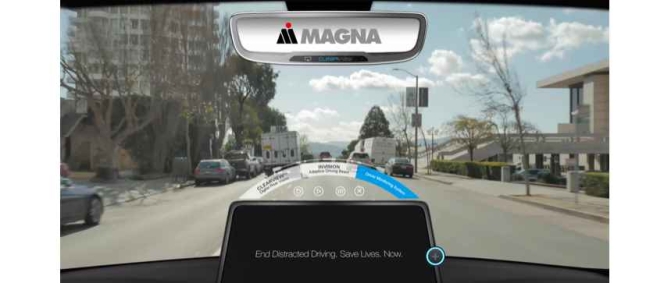
For example, the CLEARVIEW digital rear vision solutions, an advanced camera monitoring system, enhance driver experiences. Enabling customisable features safety features such as the ability to see multiple camera views in the interior mirror, including a view from the rear of the trailer.
Driver Monitoring – with distracted driving being more prevalent this day and age, Magna’s inside mirror with an imbedded camera for driver monitoring actively monitors and reduces distracted driving through customisable alerts and notifications.
INIVISION Adaptive Driving Beam – intelligent headlamps offers advanced features such as glare-free high beam, speed-dependent lighting, virtual dynamic bending, hazard/pedestrian detection and tourist conversion.
 Intuitive Comfort
Vehicles of the future need to be as responsive and intelligent to personal connections with drivers and passengers. To support the emerging needs Magna has developed technologies to support intuitive and responsive human and machine interface, making the vehicle experience unique whether it is own vehicle or shared.
In SMARTACCESS technology, the company fused mechanical systems’ capabilities with the intelligence of electronic control systems to enable new ways of interacting with the vehicle. For doors, frunks, tailgates, liftgates, and more – the company has new, creative, and high-tech solutions to deliver unique vehicle access experiences. For instance, the power side door enables consumers with unique vehicle access experiences. It is intuitively designed to offer customisable HMI solutions such as gesture or tactile touch. Advanced sensors provide enhanced safety and obstacle detection features.
Made lightweight through a composite hood the SMARTACCESS Power Frunk allows consumers to seamless access the front cargo area.
The thermoplastic Multifunctional Liftgate is a modular tailgate with easy access concepts and lightweight architectures. It offers ideal cargo handling and access experience.
As cities and roads change, the way the cars are used will follow suit. The company’s smart mobility seating allows vehicles to be used and shared differently by making them more adaptable, comfortable, and ready for the long-haul by ensuring comfort and cleanability are priorities.
Power Zero G Seat makes sleeping comfortably in the car a reality by offering a unique reclining pivot located below the H-point for a more natural, ergonomic experience and maximum adjustability. The 4Mode seating provides a smooth transition between sitting upright, lying back for a repose, stadium flipping for added storage on the floor, folding, and kneeling for a level flat surface suitable for a package or a laptop.
FREEFORM Seat Trim technology help remove barriers with traditional cut and sew seat trim covers. This trilaminate moulded seat cover allows OEMs to differentiate their brand through entirely new styling options, better comfort, improved breathability and cleanability.
In addition, the seats are easier to clean as they feature simple construction with a seamless surface – making brushing away crumbs and wiping with an antibacterial wipe much easier than with traditional seats. Designers now have the ability to go beyond restrictions with radii as sharp as a 3-4mm, compared to 20-25mm for traditional cut-and-sew techniques, a deep draw of up to 4”, and quilting designs resulting in the seat to stand out from the crowd.
In the case of lighting the company offers customers a wide choice of various lighting technologies, each with specific characteristics that have been designed to help achieve striking and captivating brand identities. The company has a complete portfolio to address all customers’ illumination needs from functional headlamps and taillamps to decorative exterior trim lighting.
For instance, the FLECSFORM offers styling freedom for complex shapes and uniform lighting in an extremely thin package, enabled by mini LED technology. The vivid LED panels give a unique 3D styling opportunities and customisable animations while illuminated exterior trim utilises state of the art light engines enabling a thin decorative product. Combining innovative materials and process technologies helped the company achieve a homogenous lit finish.
 Complete Vehicles
Magna is a global leader in a high-tech complex industry with in-depth vehicle engineering, systems knowledge and complete vehicle manufacturing excellence, making it the go-to partner for new entrants and traditional OEMs alike.
Mobility is in a huge transition phase. Within the other areas, global megatrends in digital transformation, environmental impact and health and well-being have a huge long-term impact on the automotive industry in electrification, automated driving and new mobility. This results in challenges for its customers. Traditional OEMs and new entrants need to make high investments, meet new legal regulations while ensuring a fast market entry with these new solutions. Moreover, this is often linked to volatile volumes, which requires flexible production assets. To support these emerging needs, Magna offers several innovative technologies. The company’s Complete Vehicles is the experienced and flexible partner from the first sketch to the start of production and beyond for all those quests. Irrespective of the customer’s initial situation, it can complete it with all kinds of services so that in the end, a full vehicle is created. With its employees’ passion and extensive automotive know-how, the company enables its customers to successfully bring their vision of mobility to the road. (MT)
- Chalmers University of Technology
- Nature Communications
- Albert Skegro
- Changfu Zou
- electric vehicle charging
Chalmers University Study Highlights 20% Battery Life Extension Using Reconfigurable Packs
- By MT Bureau
- October 09, 2026
Researchers at Chalmers University of Technology, in collaboration with industry partners, have published a study in Nature Communications demonstrating that reconfigurable battery pack architectures can extend electric vehicle battery operational life by more than 20 percent under specific conditions.
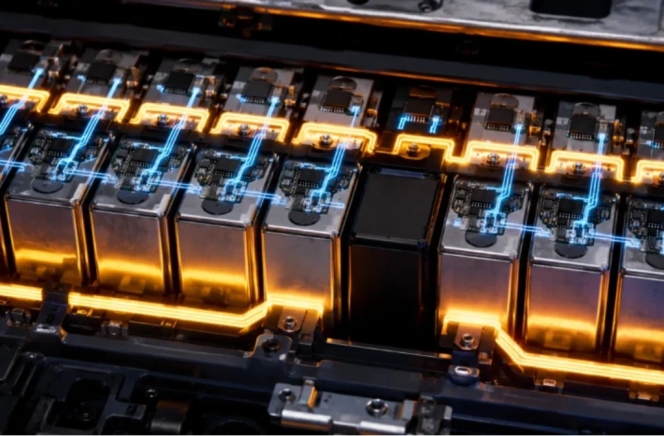
In conventional electric vehicle battery packs, cells are wired in a fixed series configuration, meaning the weakest cell dictates the overall capacity, performance and lifespan of the entire pack. The architecture evaluated by the Chalmers engineering team uses integrated electronic switches and a centralised battery management system to monitor individual cells or cell groups. When a cell experiences accelerated degradation or reduced capacity, the system bypasses the degraded unit while electric current continues to flow through the remaining functional cells.
Albert Skegro, a PhD student at the Department of Electrical Engineering at Chalmers University of Technology, said, "They must all move at the pace of the slowest person and stop when that person stops, regardless of how much energy the others have left. With the architecture we have modelled, the battery can instead bypass the cell that is causing problems and continue using the remaining cells."
Changfu Zou, Professor at the Department of Electrical Engineering at Chalmers, said, "Reconfiguration is not an on-or-off choice. It is a spectrum. Where a manufacturer chooses to position itself on that spectrum determines how much of the potential benefit can be realised."
In a representative modelling scenario featuring an 80 kWh battery pack driven 12,000 kilometres annually over an 18.8-year vehicle lifespan, the reconfigurable system deferred battery replacement by approximately 14 months. The researchers noted that the technology yields the highest performance gains in high-voltage vehicles, including 400-volt and 800-volt electric passenger cars and commercial trucks, where higher cell counts in series increase the statistical probability of individual cell variance.
A techno-economic analysis included in the study determined that implementing cell-level switching hardware increases initial pack production costs by approximately nine per cent based on prototype-scale volumes of 1,000 units. The researchers identified an economic break-even threshold at a 12 percent cost increase, noting that volume manufacturing would lower component costs and increase financial viability for fleet operators and private owners. While prototype applications such as Volvo Cars' SmartCell concept and experimental road vehicles exist, mass-production vehicles using reconfigurable battery packs are yet to enter the commercial market.
Jakson Green Vehicles Adopts Dassault Systèmes 3DEXPERIENCE Platform For EV Engineering
- By MT Bureau
- October 07, 2026
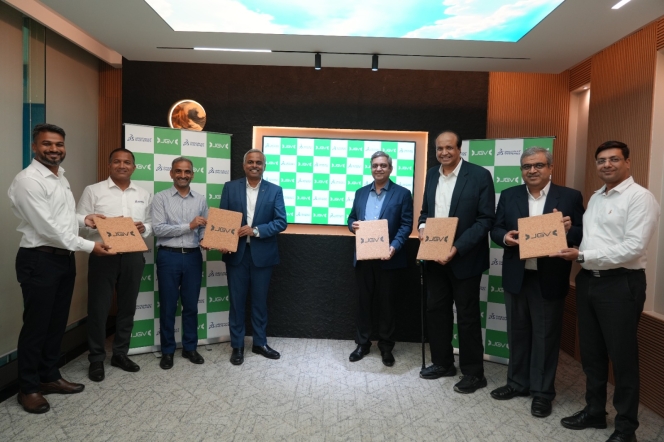
Jakson Green Vehicles has selected Dassault Systèmes’ cloud-based 3DEXPERIENCE platform to manage the design and development of its electric vehicles.
The implementation establishes a collaborative engineering framework to maintain digital continuity across the product development lifecycle. By connecting internal teams and external suppliers, the platform automates workflows, standardises component libraries and manages engineering change requests during early-stage product design. Virtual twin capabilities allow the vehicle manufacturer to conduct virtual validation testing to resolve structural and systems design issues prior to physical manufacturing.
Deepak Thakur, CEO, Jakson Green Vehicles, said, "Using Dassault Systèmes’ 3DEXPERIENCE Platform enables us to apply a collaborative approach and re-engineer our product lifecycle from the ground up. Through this transition from legacy environments to a unified digital thread, it enables strong R&D to achieve twin objectives; accelerated time-to-market and mitigated development costs. This partnership is helping us to transform the early-stage innovation and product design processes."
Deepak NG, Managing Director – India, Dassault Systèmes, said, "As India continues its dynamic growth trajectory, virtual twin technology serves as a powerful catalyst for sustainable innovation, empowering industries to rethink how they design, produce and operate."
The software adoption forms part of Jakson Green Vehicles' plan to build urban zero-emission mobility vehicles and infrastructure across India.
Gelion Signs Battery Assessment Agreement With Leading Automaker
- By MT Bureau
- October 07, 2026
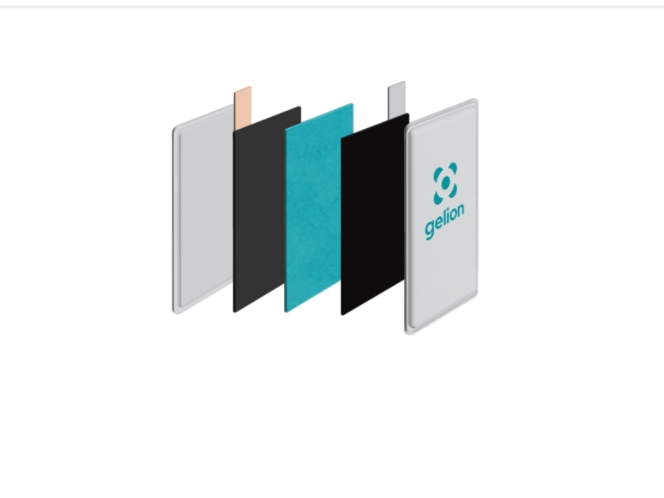
UK-headquartered energy technology company Gelion has entered into a material transfer agreement with a top 15 global automotive original equipment manufacturer to assess its NES cathode platform for future electric vehicle battery applications.
Under the terms of the agreement, Gelion will supply its sulfur-based cathode active material, coated cathodes and liquid electrolyte to the automotive partner. The manufacturer will evaluate the platform in both liquid and solid electrolyte cell configurations, testing compatibility across lithium metal and graphitic anode pathways targeting luxury and mass-market vehicle applications. The technology is designed to serve as a drop-in cathode material capable of integration into existing battery manufacturing lines without re-tooling.
Matt Wood, Chief Executive Officer, Gelion, said, "Our priority markets are commercial & defence drones, EVs and devices. We are honoured to be working with these major global automotive OEMs, and today’s announcement marks further progress towards the adoption of our technology and the generation of commercial revenues via funded programmes and eventually license and royalty revenue in the global EV market, alongside some of the industry’s leading companies."
"The growing engagement from global EV manufacturers reinforces the potential and attractiveness of our NES™ technology. This momentum is also mirrored in our agreements and partnerships across drones and devices, while our work with Tier 1 materials suppliers is advancing the scale-up of our unique, patented battery materials," Wood added.
The agreement expands Gelion’s ongoing industry testing programs with automotive manufacturers, extending the assessment of its sulfur-based cathode platform across liquid and solid battery systems.
- Honda R&D
- Honda Motor Co.
- Taise Corporation
- Taisei Rotec Corporation
- wireless charging
- East Nippon Expressway Company
Honda Develops In-Motion Wireless EV Charging Technology For Public Road Trials In 2027
- By MT Bureau
- October 06, 2026
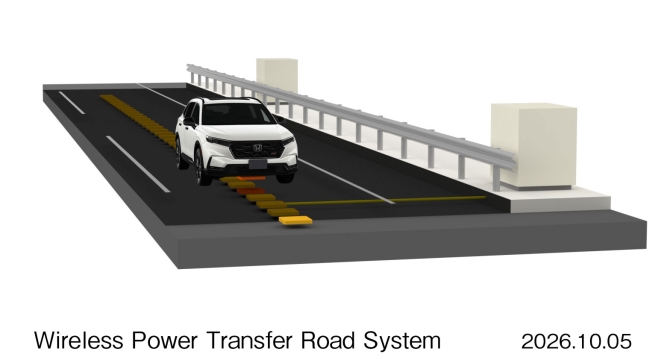
Honda R&D, a subsidiary of Honda Motor Co., has developed underlying technology for a magnetic coupling wireless power transfer road system in partnership with Taisei Corporation and Taisei Rotec Corporation.
The system enables wireless in-motion charging for electric vehicles, including passenger cars and heavy commercial fleets. The partners plan to initiate demonstration testing on public roads starting in FY2027.
The technology integrates high-power-density receiver and transmitter units from Honda with a high-response direct current power supply system from Taisei and road-embedding construction techniques from Taisei Rotec. By supplying power to electric vehicles while in motion, dynamic wireless power transfer reduces the need for stationary charging infrastructure. The initial commercial focus targets logistics and transport operations, where continuous operation offers economic benefits.
The ground assembly embedded in the roadway combines the inverter and coil into a single unit designed to connect via direct current distribution. This design reduces component counts, simplifies wiring and supports installation into existing road surfaces through standard milling methods. The road pavement structures are engineered to withstand continuous traffic loads from vehicles weighing up to 20 tonnes (20,000kg).
Testing conducted at Taisei Group’s T-FIELD facility in Satte verified system stability and structural durability. Starting in late 2026, the companies will build a test roadway at T-FIELD Tamura to evaluate long-term durability under one million wheel-load cycles, measure power transfer efficiency at outputs up to 150 kW and analyse electromagnetic shielding.
The partnership will also join the Tateyama Expressway demonstration project managed by East Nippon Expressway Company starting in 2027.
Comments (0)
ADD COMMENT