


Mahindra & Mahindra Ltd., has launched its new SUV ‘Scorpio-N’ – starting at INR 11.99 lakh. The company said in a statement that the Scorpio-N is designed, engineered and built to disrupt the SUV segment with its class-leading attributes, features and capabilities, to be acknowledged as the #BigDaddyOfSUVs.
The company said the Scorpio-N is completely new ground-up, with no carryover components of the existing Scorpio. This allows the new SUV to elevate existing segment benchmarks across all critical parameters: performance, capabilities, technology, sophistication, ride and handling, NVH, interiors and appearance. Designed at Pininfarina, Italy, and Mahindra India Design Studio (MIDS), Mumbai and engineered by the teams at Mahindra Research Valley (MRV) near Chennai and Mahindra North American Technical Center (MNATC) in USA, and manufactured at the state-of-the-art world-class facility at Chakan, Pune, the Scorpio-N is truly a global product, the release pointed out.
The company said the development and engineering of the Scorpio-N is the outcome of an overall investment of INR 1,600 crore which includes setting up a highly automated manufacturing line.
Veejay Nakra, President, Automotive Division, M&M Ltd. said, “The All-New Scorpio-N has been designed, engineered and built to be a game-changer. With its unmissable design, sophisticated ride and handling, thrilling performance, advanced technology, reassuring safety and of course, its terrain-conquering abilities, the All-New Scorpio-N takes forward the unbeatable Mahindra legacy of building authentic, desirable and tough yet sophisticated SUVs. The All-New Scorpio-N disrupts existing product category hierarchies and will be a force to reckon with across multiple SUV segments. It is a global product, being unveiled simultaneously in South Africa and Nepal, alongside the India launch, and will be followed by launches in other international markets in the near future.”
R. Velusamy, President, Automotive Technology and Product Development, M&M Ltd. said, “We started the development of the All-New Scorpio-N on a clean slate with no carry over from the existing Scorpio, which gave us the opportunity to not just raise existing benchmarks but set new category standards. We set out with the objective of delighting customers with a contemporary SUV boasting high levels of engineering, technology, dynamics, sophistication and refinement, and I believe we have succeeded in full measure. The All-New Scorpio-N’s third-generation body-on-frame platform has been engineered to ensure every drive is safe, comfortable and exciting, while delivering authentic SUV attributes. Combined with AdrenoX intelligence, the All-New Scorpio-N is an intuitive, immersive and enjoyable SUV to drive and own.”
The company said the Scorpio-N would be available for test drives starting 5 July 2022 in 30 cities and in the rest of the country by 15 July 2022. Details of the test drives can be seen on the website https://auto.mahindra.com/suv/scorpio-N. Bookings for Scorpio-N will open online and simultaneously at Mahindra dealerships 30 July 2022, 11.00 am onwards, it said. The ‘Add to cart’ feature for the Scorpio-N will be available online and at dealerships from 5 July 2022. Bookings will be done on a ‘first come, first served’ basis and will also form the basis of delivery dates, depending on the variant chosen by the customer, the release said. After customers have selected their choice of variant and colour to finalise their booking with payment confirmation, Mahindra will provide a two-week window to amend their choice of variant and colour – in case they wish to. Details of the booking process are available on the website https://auto.mahindra.com/suv/scorpio-N. The deliveries of the Scorpio-N will begin during the forthcoming festive season, it said.
M&M said it is simultaneously unveiling the Scorpio-N in South Africa and Nepal, alongside the India launch. Mahindra said it is committed to introduce the Scorpio-N in Australia and New Zealand and will announce the details shortly. It said the Scorpio-N would be the first brand from the house of M&M to be globally unveiled (across focused international markets), aligning with Mahindra’s strategy to strengthen its global footprint.
The company said the Scorpio-N is engineered for those looking for a new-age authentic SUV. Built on its new third-generation body-on-frame platform, the Scorpio-N boasts of structural rigidity, off-road capability and exemplary on-road manners. The Scorpio-N is powered by a TGDi mStallion (Petrol) engine with 149.14 kW (200 PS) of power and 380 Nm of torque, and mHawk (Diesel) engine with 128.6kW (175PS) of power and 400 Nm torque, offered in both 6-speed Manual and Automatic Transmissions, and 4X4 as option.
The signature wheel arches have been made even more muscular taking inspiration from the sinewy silhouette of a swimmer. A metallic Scorpio tail element is seamlessly integrated into the beltline, swinging all the way to the top of the window, giving the Scorpio-N more of a sting. The Scorpio-N will be available in five body colour options: Deep Forest, Napoli Black, Everest White, Red Rage, Dazzling Silver, Royal Gold, and Grand Canyon.
It greets passengers with top notch craftmanship – rich coffee-black leatherette upholstery, command seating position, centre console encased in robust metal finished dual rails, advanced infotainment system and more, taking the premium-ness to the next level. The interiors of the Scorpio-N are designed and fettled to offer a highly sophisticated sensation, delighting the driver and passengers alike, it claimed.
It uses the most sophisticated technologies available to offer benchmark driving dynamics. The latest generation body-on-frame structure has been optimised to offer remarkable levels of dynamic competencies and assured handling capabilities. Additionally, the penta-link rear suspension features the segment-first watts link mechanism to offer confident ride and handling attributes. The Frequency Dependent Damping (FDD) technology, in combination with the Scorpio-N’s advanced shock absorbers featuring MTV-CL technology, is devised to offer a smooth, comfortable ride experience. The steering setup is remarkably smooth and responsive for a vehicle in its category, and All Four Disc brakes ensure exhilarating yet safe drive.
The company said the Scorpio-N is designed to rule all terrains with the 4XPLOR, the intelligent terrain management technology. The Scorpio-N also gets three drive modes: Zip, Zap and Zoom. Zip for smooth riding especially through traffic, Zap for true Mahindra SUV performance and, Zoom to amp it up for a more engaging and exhilarating ride-quality.
Powered by AdrenoX intelligence for an immersive and intuitive driving experience, it is laden with 70+ connect apps, Android Auto and Apple Car Play, and built-in Alexa functionality enabling hands-free access to entertainment, information and vehicle controls.
Alexa voice assistant supports in-vehicle controls even in offline mode. With the Scorpio-N, Mahindra introduces the the what3words integrated with Alexa.
AdrenoX also brings an Immersive Audio Experience by adopting 3D Immersive Sound System by Sony. Mahindra has partnered with Amazon Alexa, what3words, Qualcomm, Visteon, Blackberry QNX, Bosch, Sony and Amazon Web Services (AWS) to deliver the connected SUV experience.
The company claimed the vehicle has the lowest CO2 emission in its segment. Moreover, several sustainable technologies have been adopted in metallurgy and component optimisation such as latest generation dip paint (CG 800 CED coating) and low RRC tyres to lower CO2 emission, and LEDs for reducing the overall energy consumption by 10 per cent. (MT)
Hyundai Verna Scores 5-Star In Bharat NCAP Rating
- By MT Bureau
- November 20, 2026
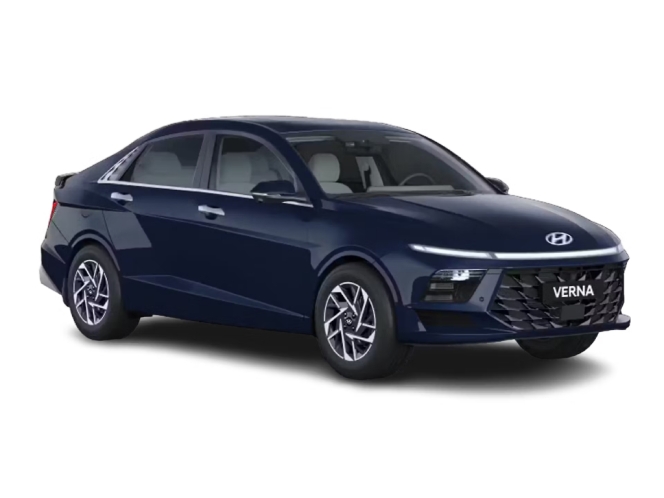
Hyundai Motor India, one of the leading passenger vehicle manufacturers, has announced that the Hyundai Verna has received a 5-star safety rating under the Bharat New Car Assessment Programme (BNCAP) across adult and child occupant protection assessments.
The sedan, introduced in March 2026, becomes the first vehicle in its segment to earn the rating under the programme.
The Verna comes with more than 75 safety features and 35 standard features. Equipment comprises Hyundai SmartSense Level 2 advanced driver assistance systems with 20 functions, seven airbags covering driver, passenger, side, curtain and centre side positions, a dashcam, rain sensing wipers, electronic stability control with vehicle stability management, hill start assist control, anti-lock braking system with electronic brakeforce distribution, all-wheel disc brakes, electronic parking brake with auto hold, blind spot view monitor, surround view monitor, tyre pressure monitoring system, ISOFIX child seat anchors, rear parking sensors and three-point seatbelts with reminders across all seats.
Tarun Garg, MD and CEO, Hyundai Motor India, said, “At Hyundai Motor India, safety remains at the core of our product philosophy. The 5-Star Bharat NCAP rating achieved by the new Hyundai Verna is a testament to our commitment to providing the highest standards of occupant protection and advanced safety technologies to Indian customers. The new Verna delivers an exceptional combination of style, technology, performance and safety. This recognition further strengthens customer confidence in Hyundai's engineering excellence and our vision of making safer mobility accessible to all.”
- WTiCabs
- Ashok Vashist
- Navi Mumbai International Airport
- Noida International Airport
- Open Network for Digital Commerce
- ONDC
WTiCabs Eyes India's Growing Airport Mobility Market
- By Sharad Matade
- November 20, 2026
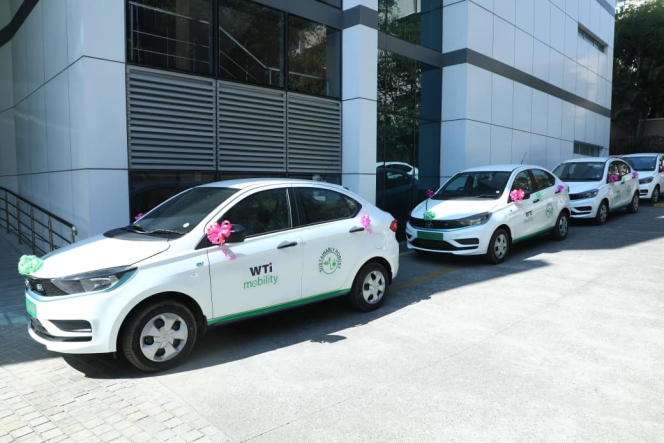
Over the past decade, India's aviation industry has invested a lot in expanding capacity. New terminals, more runways, and new airports are changing how people travel. More passengers are flying, airlines are adding routes, and air travel is reaching more cities. Still, for many, the trip becomes less predictable after leaving the airport.
Finding a reliable cab, dealing with fluctuating fares and negotiating congested pickup areas can take much of the convenience out of flying. This problem becomes more pronounced during peak hours, late-night arrivals, and long-distance airport transfers.
For Ashok Vashist, Founder and CEO of WTiCabs, this disconnect between air travel and ground transportation represents an opportunity to build a more organised mobility business. "Airport mobility in India has improved significantly on the airside. Terminals are larger, faster and better designed. The weak link remains the last 30 to 60 kilometres," says Vashist.
 He argues that the real problem isn't just not having enough vehicles. It's about poor coordination between transport providers, uneven service standards, and no predictable experience for passengers. "The airport journey does not end at the terminal exit. It ends at the passenger's door, and that is where the industry still has the most work to do," he says.
To address this gap, mobility companies need to go beyond the usual taxi-booking model. They should focus on advance reservations, better fleet management, and being accountable for their operations.
Why passengers are moving towards pre-booked transfers
As India's airports are built farther from city centres, ground transportation is becoming a more important part of travel.
Airports like Navi Mumbai International Airport and Noida International Airport will serve big urban areas, but because they are far from city centres, reliable connections matter even more. For people travelling longer distances, not knowing if they’ll find a ride after landing can be a real hassle.
WTiCabs has noticed that customer behaviour is changing, especially among corporate travellers and those booking early-morning, late-night, or outstation trips.
"The shift is clearly visible. Rising traffic brings more first-time and Tier 2 flyers, and more business travellers flying more often. Both groups want the same thing on the ground: certainty about whether the car will be there, what it will cost and who is driving," says Vashist.
The difference between on-demand and pre-booked rides matters more as airport trips get longer and more time-sensitive. "On longer, higher-value trips, passengers are far less willing to gamble on whether a ride will be available," he says.
WTiCabs offers a simple approach: customers book ahead, get confirmation of their car and driver, and know the fare before they travel. This is different from services that match passengers with drivers only when they book.
However, it's easier to promise reliability in airport transport than to actually deliver it. Traffic in Delhi NCR, Mumbai, and Bengaluru can change quickly. Flight delays, early arrivals, changes in pickup spots, and limits on waiting time at airport curbs make things even more complicated.
Vashist puts the consequences into perspective. "A 15-minute delay on a city ride is an inconvenience. On an airport drop, it can mean a missed flight."
WTiCabs responds by using travel time estimates, sending vehicles before scheduled pickups, tracking incoming flights, and keeping backup cars and drivers in busy areas. The goal is to be flexible enough to handle problems before they affect passengers.
Making reliability commercially viable
In airport mobility, service failures can be very costly. If a car is late, a passenger might miss a flight. Last-minute cancellations can also hurt relationships with corporate clients.
Vashist believes the business must therefore be organised around confirmed commitments rather than vehicle availability at a particular moment. "The WTicabs model is built on one principle: the airport trip is a commitment, not a request. Every booking is confirmed with a car and driver in advance, not at the last minute," he says.
The company’s model includes assigning drivers in advance, confirming fares, linking pickups to flight times, and having a 24/7 team to monitor trips. Customers get their car and driver details before the trip, and backup options are ready in case of breakdowns or delays.
The approach draws on WTi's experience in employee transportation, a segment in which punctuality and service-level commitments are central to daily operations. Since 2019, the company has served more than 500 corporate customers across employee transportation, corporate car rentals, airport transfers and outstation travel, according to Vashist.
This experience matters because corporate mobility is about more than just arranging a car. Companies want verified drivers, clear billing, safety measures for employees, and reliable service in every location.
WTiCabs provides fixed fares, GST-compliant invoices, monthly billing, live tracking, SOS features, and dedicated account managers. Companies can also choose electric vehicles if they want to lower their business travel carbon footprint.
The economics behind the fleet
For fleet operators, using vehicles efficiently is just as important as getting bookings. If a car drops someone at the airport and returns empty, it racks up unproductive kilometres and hurts profits.
That’s why WTiCabs combines airport transfers with corporate trips, outstation journeys, and retail demand, instead of running separate fleets for each. Technology helps make this possible. Customers can book through the app, website, or WhatsApp, and corporate clients have a special portal that follows their travel policies. "Technology is what allows WTicabs to keep its promise at scale," says Vashist.
With real-time tracking, passengers and corporate travel teams can see where vehicles are, who the driver is, and when the car will arrive. A central command centre also watches live airport trips and gets alerts if a car is running late.
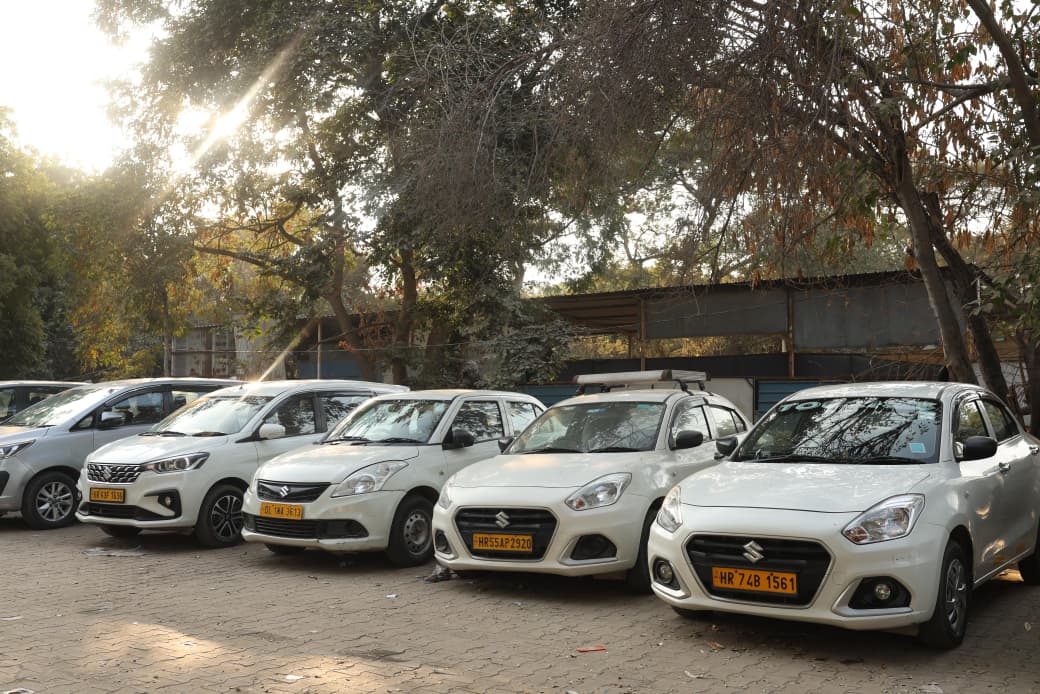 Historical trip data is also used to estimate journey times across different routes and periods of the day. This helps the company position vehicles, allocate drivers and identify opportunities to match airport drop-offs with return pickups. The commercial logic is important in a business where fuel, driver costs, vehicle maintenance and idle time all affect profitability.
Vashist identifies pricing, utilisation and driver retention as the three principal levers for maintaining sustainable margins. "The industry has learnt that the cheapest fare is not a sustainable business if it comes with cancellations and poor service. Customers remember a missed flight far longer than a saving of a hundred rupees," he says.
Rather than compete exclusively on price, the company is looking to balance corporate contracts with retail and leisure bookings. Corporate demand provides a relatively stable weekday base, while individual customers can help absorb available capacity during weekends and peak travel periods. Driver retention is another part of the equation. High turnover can affect service consistency and increase recruitment and training costs. "Drivers who earn steadily and are treated well stay longer, deliver better service and cost less to replace," Vashist explains.
This is a key issue for organised fleet operators, especially as more companies compete for experienced drivers in the mobility sector.
Corporate travel remains the anchor.
App-based aggregators have changed how people book short rides, but WTiCabs sees a different chance with customers who need managed transportation. "The opportunity is significant and still largely unorganised," says Vashist, noting that safety, billing, and vehicle quality standards are still limited in much of India's airport ground transport market.
Corporate travel is still the main focus for the company, thanks to repeat bookings and steady demand. Business tourism, meetings, conferences, premium leisure travel, and family trips are also promising areas.
The requirements vary. Corporate customers need policy compliance, consolidated billing and employee safety. Event organisers may require dozens of vehicles operating to a coordinated schedule. Hotels and travel management companies, meanwhile, need dependable transportation partners that can deliver services under their own brands.
For WTiCabs, the ability to serve a customer across airport transfers, employee transportation, city travel, outstation journeys and car rentals offers an opportunity to build longer-term relationships rather than compete for individual bookings. The premium segment is also gaining importance. Senior travellers, families and business executives are often willing to pay for trained chauffeurs, predictable fares and assistance at pickup points.
So, the company’s strategy isn’t just about doing more airport transfers. It’s about meeting a broader range of corporate and premium mobility needs.
Partnerships could reshape airport connectivity.
The fragmentation of airport transportation is not a problem that individual operators can resolve on their own. Airports, airlines, public transport providers and mobility companies will need to work together if passengers are to experience a more seamless journey. "What is missing is not capacity but coordination. Each player performs its role well in isolation, but the passenger is left to stitch the journey together," says Vashist.
He believes airports should provide clearly marked pickup zones for organised operators and share real-time arrival information. Airlines could offer ground transfers alongside flight reservations, while mobility providers should integrate with airline, airport and travel platforms through open APIs. Airport metro services also need better connections with feeder transportation to make it easier for passengers to combine public transport with cab services. "The goal should be one booking, one payment and one point of accountability for the full door-to-door journey," he says.
Vashist points to frameworks such as the Open Network for Digital Commerce (ONDC) as examples of how interoperability could help create a more integrated mobility environment.
For WTiCabs, partnerships with airports, airlines, hotels and travel management companies could open additional distribution channels. Airlines could offer ground transportation through ticketing or loyalty programmes, while hotels could provide airport transfers under their own brands. Such arrangements could help organised operators secure bookings earlier and improve demand visibility, although their success would depend on commercial agreements and the ability to maintain consistent service standards.
Expansion strategy: Following the airport opportunity
WTiCabs is based in New Delhi, and Delhi NCR is its biggest market. The company now wants to expand in Mumbai, Pune, and Bengaluru, with a special focus on the Mumbai-Pune-Lonavala corridor.
The Mumbai area is especially important because Navi Mumbai International Airport will add another big aviation hub. The growth of Noida International Airport will also create new ground transport needs in the National Capital Region. Outside the big cities, the company is looking at Tier 2 cities where more people are flying, but organised ground transport is still catching up.
But choosing new markets isn’t just about passenger numbers. The company also looks at corporate and industrial demand, intercity travel, driver availability, local rules, and whether vehicles can be used efficiently. "We prefer to enter a market with corporate anchor clients and then build retail demand on top, rather than relying only on discount-led retail growth," says Vashist.
This is a careful way to expand. Building a base of corporate customers before growing retail operations gives a more stable foundation for using the fleet and developing the market.
An increasingly electric and integrated future
Looking ahead, Vashist thinks India's airport mobility market will become more organised, use more electric vehicles, and connect more with the wider travel industry. "Pre-booked transfers will become the default for a large share of business and long-distance airport travel," he says.
Electric vehicles will play a bigger role as charging stations improve at major airports. Linking ground transport with flight bookings could also make advance transfers a regular part of travel planning.
Over the next three to five years, WTiCabs wants to grow in Delhi NCR, Mumbai, Pune, and Bengaluru, enter more fast-growing airport areas, expand corporate and premium services, add more electric vehicles, and build partnerships in the travel industry. But Vashist says that infrastructure and shared standards are just as important as private investment.
"The changes with the greatest impact would be dedicated, well-managed pickup zones for organised operators at every major airport; real-time data sharing between airports, airlines and mobility providers; charging infrastructure at and around airports; and common service standards for safety and reliability," he says.
For India’s mobility industry, the opportunity isn’t just about moving passengers from place to place anymore. It’s about creating a reliable ground transport network to support the growing aviation market.
WTiCabs is aiming for this space, focusing on its experience in corporate mobility, tech-driven fleet management, and pre-booked airport transfers. Whether the company can turn this strategy into a bigger market share will depend on how well it executes, manages its fleet, and how quickly India’s airport transport market becomes more organised.
Aston Martin Names Charlotte Dickson Regional President For APAC And Greater China
- By MT Bureau
- November 19, 2026
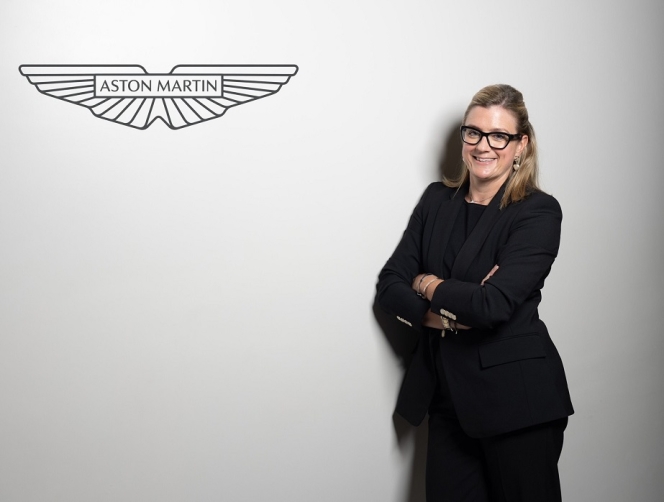
British premium luxury car brand Aston Martin has appointed Charlotte Dickson as Regional President for APAC and Greater China. Dickson arrives from McLaren Automotive, where she served as Regional Director for Asia, Japan and China. In her new role, she will direct the company’s commercial strategy across the region, overseeing network performance, brand strategy and multi-functional teams located in Shanghai, Tokyo and other key APAC markets.
Dickson brings extensive luxury automotive experience and a strong understanding of the Asia Pacific region to the position. Her regional knowledge, commercial expertise and customer focus are expected to strengthen Aston Martin’s presence and performance across APAC. She succeeds Carl Bayliss, who has chosen to depart the company after five years to pursue new opportunities.
Andrea Baldi, Chief Commercial Officer, Aston Martin, said, “Charlotte brings extensive luxury automotive experience, deep knowledge of the Asia Pacific region and a strong commercial and customer focus. Her appointment comes at an important time for Aston Martin as we continue to strengthen our presence and performance across APAC. I am delighted to welcome Charlotte to Aston Martin and look forward to working with her as we continue to grow the brand and deliver exceptional experiences for our clients across the region.
“I would also like to thank Carl for his contribution, commitment and dedication to Aston Martin over the past five years. He has played an important role within our commercial leadership team, and we wish him every success for the future.’
Dickson said, “I am delighted to be joining Aston Martin. A brand that represents a unique blend of British heritage, craftsmanship and performance. I am looking forward to working with the team and our partners across the region to build on the brand’s strong foundations and unlock the opportunities ahead.”
Ashok Leyland Reports INR 8.69 Net Profit In Q2 FY2027
- By MT Bureau
- November 15, 2026
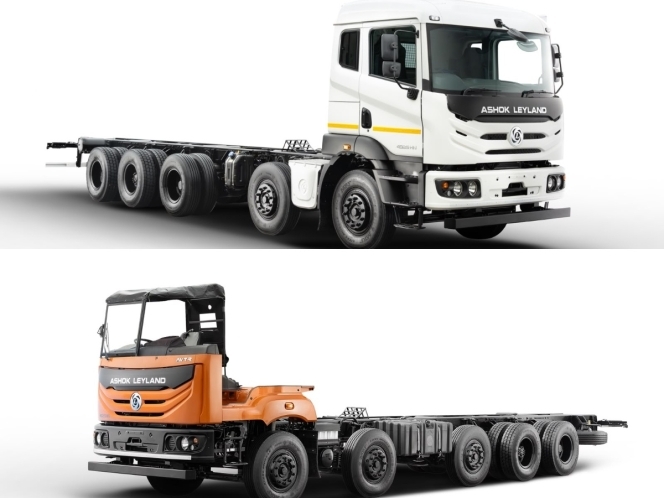
Chennai-headquartered commercial vehicle major Ashok Leyland, the flagship company of the Hinduja Group, has reported its financial results for Q2 FY2027. The company recorded wholesales of 64,677 units, a 32 percent increase from 49,116 units a year ago.
The company’s revenue grew 39 percent to INR 133.64 billion compared with INR 95.88 billion a year ago, EBITDA reached INR 13.50 billion at a margin of 10.1 percent, while profit before tax rose 14 percent to INR 11.87 billion and profit after tax increased 13 percent to INR 8.69 billion. The company ended the quarter with net cash of INR 35.46 billion, up from INR 9.90 billion a year ago.
In the medium and heavy commercial vehicle (MHCV) segment, volumes grew 44 percent YoY to 37,958 units, outpacing industry growth of 39 percent, while truck volumes rose 48 percent to secure a 31.5 percent market share excluding defence.
Light commercial vehicle (LCV) volumes increased 21 percent to 21,371 units, lifting VAHAN market share in addressable segments to 13.6 percent, while export volumes grew 7 percent to 5,102 units. Alongside growth in its defence, power solutions and aftermarket divisions, the company introduced products across the tipper, bus, haulage, and LCV categories and expanded its distribution network.
Dheeraj Hinduja, Chairman, Ashok Leyland, said, “Our record Q2 performance reflects the strength of Ashok Leyland’s business fundamentals, competitive product portfolio and strong customer focus. Our robust balance sheet provides a solid foundation to pursue our long-term growth ambitions. We are encouraged by the promising performance of our international business and continue to strengthen our presence in key export markets. Switch Mobility is also progressing well, with a strong outlook for the electric mobility business. With positive momentum across our businesses, we remain confident of sustaining profitable growth and creating long-term value for our stakeholders.”
Shenu Agarwal, MD and CEO, Ashok Leyland, said, “Our record Q2 performance, coupled with market share gains and fifteen consecutive quarters of double-digit EBITDA margins, reflects our consistent focus on profitable growth. Our strong cash position gives us the financial flexibility to invest in future technologies, innovation and new products, further strengthening our competitiveness. We are further investing in innovative product platforms and world class service processes, which would help us in sustaining our growth momentum.”

Comments (0)
ADD COMMENT