

- India
- UK
- Free Trade Agreement
- Dr Anish Shah
- Mahindra & Mahindra
- Sudharshan Venu
- TVS Motor Co
- Norton Motorcycles
UK-India Trade Deal Unlocks GBP 6 Billion In Automotive And Advanced Manufacturing Investment
- By MT Bureau
- July 24, 2025
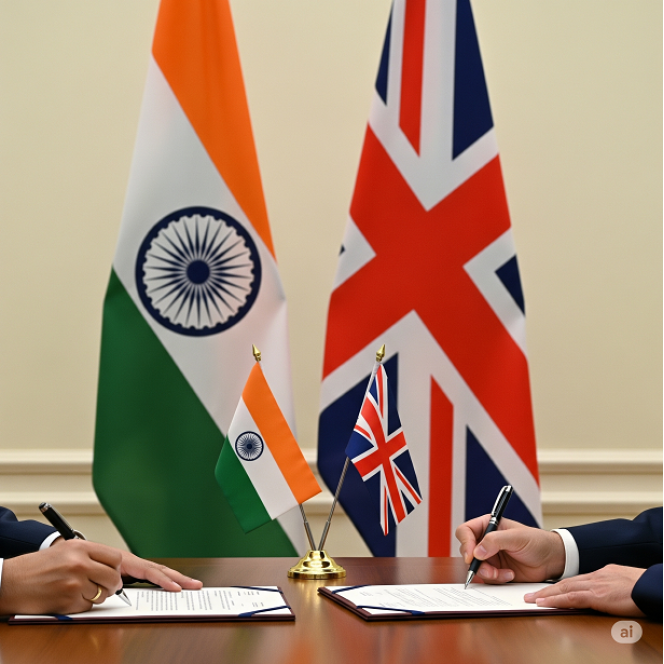
The United Kingdom has announced nearly GBP 6 billion in new investments and export wins tied to the UK-India Free Trade Agreement (FTA), with significant implications for the automotive, aerospace and advanced manufacturing sectors. The deal, signed during UK Prime Minister Keir Starmer’s meeting with Indian Prime Minister Narendra Modi, is expected to create over 2,200 jobs in the UK.
Under the FTA, India’s average tariff on UK products will drop from 15 percent to 3 percent, with specific cuts for key sectors. Automotive tariffs of up to 110 percent will be reduced to 10 percent under a quota system, while aerospace tariffs (previously as high as 11 percent) will be eliminated. Tariffs on electrical machinery will also fall, potentially halved or brought to zero, depending on product classification.
The UK government estimates the trade deal will increase UK exports to India by nearly 60 percent and raise bilateral trade by 39 percent by 2040, compared to current projections without the agreement.
British automotive, aerospace, and advanced manufacturing players are among the biggest beneficiaries:
Rolls-Royce and Airbus will begin delivery of aircraft powered by Rolls-Royce engines to Indian airlines as part of contracts worth around GBP 5 billion. The orders are expected to support jobs in Filton, Broughton, and Derby.
International Aerospace Manufacturing (IAMPL) — a joint venture between Rolls-Royce and Hindustan Aeronautics — is investing GBP 30 million to expand its facility in Hosur, India.
Johnson Matthey will invest GBP 4 million in new plants at Taloja and Panki, supporting up to 20,000 jobs in India during construction, alongside over GBP 20 million in secured contracts for engineering and catalyst supply.
Wilson Power Solutions will invest GBP 21 million in Chennai to expand transformer manufacturing capacity.
Helical Tech is committing GBP 5.72 million in overseas direct investment (ODI) to expand its Pune facility as a global supply hub.
The agreement also unlocks procurement opportunities in India’s clean energy market and improves market access for UK manufacturers across sectors such as components, electrical machinery, and mobility technologies.
On the export front, UK companies such as Carbon Clean, Occuity, Aurionpro, DCube AI, and Kyzer Software are tapping into Indian demand for carbon capture, healthcare tech, AI, and fintech. Combined, their deals are set to contribute hundreds of millions in export value over the next five years.
Jonathan Reynolds, Business and Trade Secretary, UK, said, “The almost GBP 6 billion in new investment and export wins announced today will deliver thousands of jobs and shows the strength of our partnership with India.”
The FTA also paves the way for long-term collaboration in defence manufacturing, semiconductors, AI, quantum computing and other critical technologies.
The UK currently imports GBP 11 billion in goods from India annually. With liberalised tariffs, the government expects significant cost savings for UK firms importing automotive and advanced manufacturing components, aiding domestic production and supporting supply chain resilience.
Shailesh Chandra, President, SIAM and Managing Director, Tata Passenger Vehicles & Tata Passenger Electric Mobility, said, “The Indian automobile industry congratulates the Government of India for its tireless efforts in bringing the India–UK Free Trade Agreement (FTA) to fruition. This landmark development marks a significant step forward in strengthening India’s global economic engagement, particularly with developed economies. As two major economies enter a new phase of partnership, SIAM appreciates the Government’s extensive stakeholder consultations throughout the negotiation process. Concluding this transformative agreement amid global trade uncertainties reflects India’s growing leadership in shaping modern trade and investment frameworks.”
The commitments made by the Government of India on automobile sector tariffs strike a thoughtful balance—addressing consumer interests while supporting the broader goals of Indian industry. We view this agreement as part of a wider strategic engagement and believe it opens new avenues for collaboration and opportunity with a key global partner. SIAM remains committed to working closely with the Government of India to ensure the benefits of the agreement translate into greater growth, global competitiveness, and technological progress for the Indian automotive industry,” added Chandra.
Shradha Suri Marwah, President, ACMA, said, “The Automotive Component Manufacturers Association of India (ACMA) welcomes the signing of the India-UK Comprehensive Trade Agreement as a landmark development in the bilateral relationship between the two nations. This agreement is poised to usher in a new era of economic cooperation, fostering greater market access, technology partnerships and value chain integration between the Indian and British automotive industries. The CETA is expected to benefit the Indian auto component sector through enhanced opportunities for exports, streamlined regulatory processes, particularly in key areas such as electric mobility, precision engineering and lightweight materials. Indian MSMEs, which form the backbone of our industry, stand to gain from the liberalised terms of trade and improved access to UK markets. We are hopeful that the agreement will also promote collaboration in R&D, skilling and innovation, especially in green and digital technologies – areas that are crucial for our sector’s long-term competitiveness and sustainability. ACMA congratulates the government of India and the United Kingdom for their vision and commitment in bringing this agreement to fruition. We look forward to working with our counterparts in the UK to realise the full potential of this partnership, and to strengthen our collective contribution to global automotive value chains.”
Dr Anish Shah, Group CEO and MD, Mahindra Group, said, “The landmark trade agreement between India and the UK marks a transformative moment in the global economic landscape. It’s not just a win for trade, but a blueprint for a modern, values-led partnership that puts innovation, sustainability, and inclusive growth at the heart of global collaboration. At Mahindra, we believe deeply in the power of such cross-border partnerships to unlock economic potential, create high-quality jobs, and accelerate progress in future-facing sectors from green mobility and clean energy to digital technologies and advanced manufacturing. The UK-India Vision 2035 aligns closely with our own strategic priorities building resilient supply chains, investing in frontier technologies, and fostering a just transition to a low-carbon economy. As Indian industry becomes increasingly global in its footprint and ambition, we look forward to contributing meaningfully to this next chapter of UK-India cooperation.”
Sudarshan Venu, Managing Director, TVS Motor Company, said, “We are deeply inspired by Prime Minister Narendra Modi’s vision of Viksit Bharat and his unwavering commitment to making India a global manufacturing and design powerhouse. The signing of the India-UK Free Trade Agreement is a pivotal moment—it opens new frontiers for Indian companies to take ‘Make in India’ to the world. We are particularly excited given the launch of new Norton vehicles this year, which will benefit from the strengthening of trade links between India and the UK. It energises our global ambitions and strengthens our resolve to build world-class products and brands.”
A spokesperson for JLR said: “We welcome this free trade agreement between the UK and India, which over time will deliver reduced tariff access to the Indian car market for JLR's luxury vehicles. India is an important market for our British built products and represents significant future growth opportunities.”
Amit Kalyani, Vice-Chairman & Joint MD, Bharat Forge, said, “Congratulations to Prime Minister Narendra Modi on the historic India–UK deal signed yesterday! #IndiaUKFTA marks a breakthrough for India’s engineering and manufacturing industries, with zero-duty access on about 99% of tariff lines covering almost 100% of trade value. Indian manufacturers can now tap into the UK market with greater competitiveness, improving their global footprint. I’d like to extend my appreciation to Hon’ble Minister of Commerce and Industry, Piyush Goyal ji for his pivotal roles in facilitating this partnership. I look forward to seeing the positive impact of this agreement on trade, investment, and economic growth in both the countries.”
Uber Appoints Arpit Tyagi As Head of Advertising In India
- By MT Bureau
- June 27, 2026

Uber has appointed Arpit Tyagi as the Head of Advertising for its Indian operations to further scale its advertising business and expand partnerships with brands, agencies and marketers within the region.
Tyagi will lead the commercial strategy and operations for Uber Advertising in India. He will oversee a dedicated India-based team tasked with developing solutions that allow brands to engage consumers during ‘high-intent, real-world moments’ on the Uber platform.
He brings over 15 years of experience in advertising, media and marketing technology to the role. The executive has extensive experience in retail media, data-driven marketing, and customer-centric innovation at Amazon Ads and he most recently served as Director of Enterprise Sales at The Trade Desk, where he managed strategic partnerships with major Indian advertisers and agencies.
Michael Levine, Head of APAC Sales, Uber Advertising, said, “India is one of the most dynamic and exciting advertising markets in the world, and Uber is uniquely positioned to help brands connect with consumers at moments that matter. Arpit brings a strong understanding of the evolving advertising ecosystem and a proven track record of building high-performing businesses.”
Uber Advertising operates in over 35 markets globally. In India, the business has seen growth across sectors such as CPG, media and entertainment, technology, e-commerce, and retail. To date, the platform has partnered with over 200 brands and agencies in the region.
Tyagi said, “Uber sits at the intersection of people's everyday movements and decisions, creating unique opportunities for brands to engage audiences in highly contextual and measurable ways. I'm excited to join Uber at such a pivotal moment and look forward to working with our partners to help them achieve their business objectives through innovative advertising solutions.”
- Honda India Foundation
- Honda Elevate
- Honda Shine 100
- Gulab Chand Kataria
- Gaurav Srivastava
- Rajeev Taneja
- Dr. Amritha Duhan
- Gaurav Agrawal
Honda India Foundation Supplies Emergency Response Vehicles To Udaipur Police
- By MT Bureau
- June 26, 2026
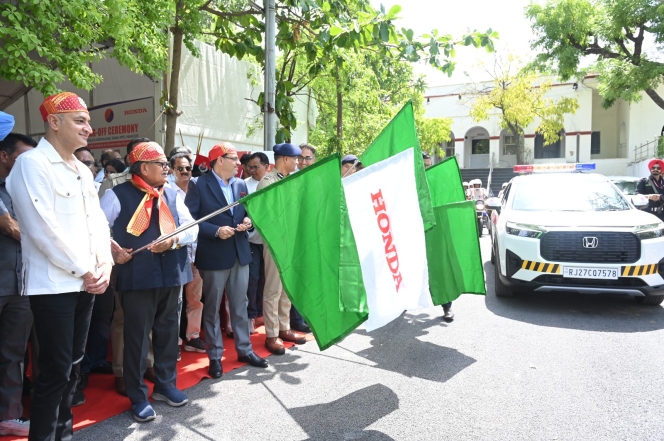
Honda India Foundation (HIF) has provided 26 emergency response vehicles to the Udaipur Police to assist with patrol and mobility across the district.
The handover includes 25 Honda Shine 100 motorcycles, modified with emergency signalling systems, public address equipment, flashlights, storage units and safety gear. Furthermore, it has provided a Honda Elevate C-SUV, also outfitted for police requirements.
The vehicles are intended for use in tourist zones, urban centres and areas where manoeuvrability is necessary for police operations. This follows a previous contribution of 25 vehicles provided in February 2026 to support the Udaipur Police Tourist Patrolling Team.
The flag-off ceremony was attended by officials including Gulab Chand Kataria, Governor of Punjab and Administrator of Chandigarh; Gaurav Agrawal, District Collector; Gaurav Srivastava, Inspector General of Police, Udaipur Range; Dr. Amrita Duhan, Superintendent of Police, Udaipur and Rajeev Taneja, Operating Officer, Honda India Foundation.
Gulab Chand Kataria said, “Udaipur is an important centre of public and tourist activity, and this effort will further strengthen our Police Patrolling Team to support public safety across the district. I appreciate Honda India Foundation for this meaningful contribution. Their continued engagement in such collaborative efforts contributes to strengthening public service delivery at the local level.”
Fleet Management Marks Seafarer Day With New Digital Tool And Advocacy For Civilian Mariners
- By MT Bureau
- June 25, 2026
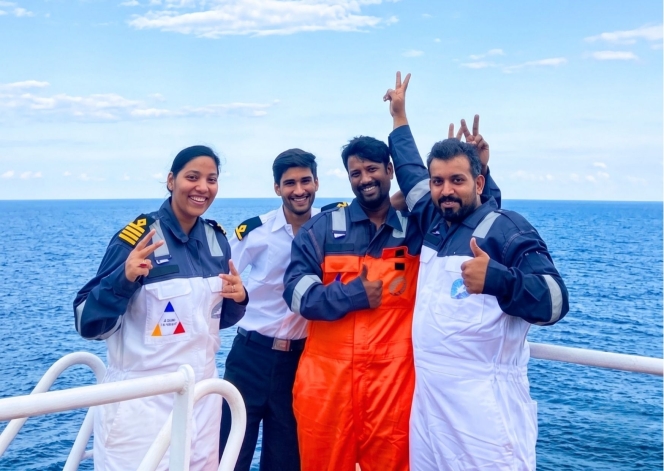
Fleet Management Limited has marked the International Day of the Seafarer by issuing a renewed call for the global community to acknowledge the often-overlooked civilian professionals who underpin international trade. The maritime services provider simultaneously introduced a new digital tool, named Pulse, aimed at delivering continuous and practical assistance to crew members while at sea.
In light of recent diplomatic efforts to stabilise regions such as the Strait of Hormuz, Fleet Management has voiced its support for multilateral actions designed to address the systemic vulnerabilities faced by merchant mariners. The company has highlighted a persistent pattern where civilian seafarers are disproportionately exposed to geopolitical tensions. The stance aligns with the International Maritime Organization's 2026 theme, which underscores the dual reality of seafarers carrying global trade while shouldering significant operational risks.
Since February, an estimated 20,000 civilian seafarers have navigated volatile maritime zones, with roughly 600 of those individuals under Fleet Management's direct supervision. The firm assesses any resumption of transit on a vessel-by-vessel basis, utilising specific risk matrices to ensure that every manoeuvre is deliberate and grounded in stringent safety standards. Support mechanisms under the Fleet Care programme include 24/7 mental health services and wellness initiatives, while the fleet maintains industry-leading insurance coverage for personnel both on duty and during leave.
The newly launched Pulse application is described as a digital lifeline designed to simplify administrative processes and consolidate essential documents for the company's 27,000 seafarers. Beyond reducing bureaucratic burdens, the platform offers uninterrupted access to critical health resources, ensuring that crew members remain connected to the Fleet Care network regardless of location. This technological advancement represents a significant evolution in the company's strategy to deliver consistent, everyday assistance to its global maritime community.
Complementing these operational enhancements, Fleet Management has initiated global advocacy campaigns this week to increase public awareness of seafarers' contributions. Targeted family outreach programmes have been conducted through crewing offices in India, the Philippines and China, alongside community activities and multi-city public campaigns.
These efforts are reinforced by substantial training investments, with the company issuing over 80,000 certificates annually and training 500 cadets each year at the International Maritime Institute to ensure a resilient and proficient workforce.
Dr Harry Banga, Founder and Executive Chairman of The Caravel Group and Fleet Management Limited, said, "Countries, industries and communities rely on seafarers to keep essential goods flowing. Waterways like the Strait of Hormuz are key arteries of the global economy. When disrupted, the impact is immediate. Costs rise. Supply chains tighten. Today is a reminder that the industry and governments must act decisively to uphold safe and free navigation, so seafarers can sail with confidence."
Captain Rajalingam Subramaniam, Chief Executive Officer of Fleet Management Limited, said, "As a company, and as an industry, we have a responsibility to speak up. Seafarers are civilians who carry responsibility in the face of risk and adversity, in conditions beyond their control. This must not become the new normal. They must be seen, heard and properly protected. We are encouraged by the IMO-led evacuation efforts underway to restore safe transit and hope confidence will soon rebuild."
Angad Banga, Chief Executive Officer of The Caravel Group and Executive Director of Fleet Management Limited, said, "Recognition has to translate into action. Not once a year, but every day. That means understanding the pressures our seafarers operate under and responding with consistent, practical support. At Fleet, this shows up in the decisions we make and the systems we build to support our crews."
- JSW Green Mobility
- JSW Group
- Lithium Urban Technologies
- Eversource Capital
- Parth Jindal
- JSW Cement
- JSW Paints
- JSW Dulux
- Don Thomas
JSW Green Mobility Makes Strategic Investment In Lithium Urban Technologies
- By MT Bureau
- June 25, 2026
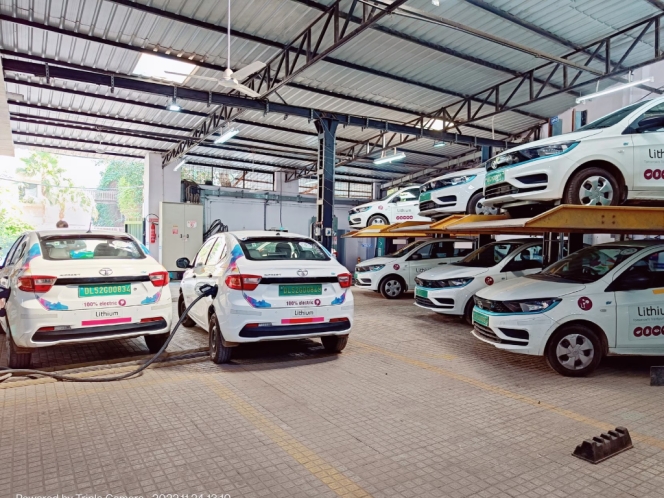
Mumbai-headquartered JSW Green Mobility, a wholly-owned subsidiary of JSW Group, has announced a strategic investment in Bengaluru-based Lithium Urban Technologies, an enterprise mobility platform backed by Eversource Capital. This partnership is intended to accelerate Lithium’s expansion across India’s growing electric vehicle (EV) infrastructure and service market.
At present, Lithium Urban Technologies manages an integrated platform that includes over 3,000 electric vehicles, managing more than 25,000 daily trips, and a network of 1,300 charging stations. Fleet intelligence systems and centralised network operations centres serve over 100 enterprise customers.
The company is targeting 3x growth over the next two years. This expansion is expected to generate between 12,000 and 15,000 jobs as the firm scales its charging infrastructure and fleet deployment.
Parth Jindal, Managing Director, JSW Cement & JSW Paints, Chairman, JSW Dulux, said, "India’s mobility landscape is undergoing a structural transformation, driven by rapid urbanisation, electrification and the growing scale of digital commerce. We believe the future will be shaped by integrated, technology-led mobility platforms that can deliver reliability, operational efficiency and scale."
Don Thomas, CEO, Lithium Urban Technologies, added, "The opportunity ahead is not simply to replace vehicles, but to build the infrastructure, operating systems and technology capabilities required to make electrification work at scale."

Comments (0)
ADD COMMENT