

Sona Comstar Reports Q1 FY2026 Net Profit At INR 1.24B, Down 12%
- By MT Bureau
- August 04, 2025
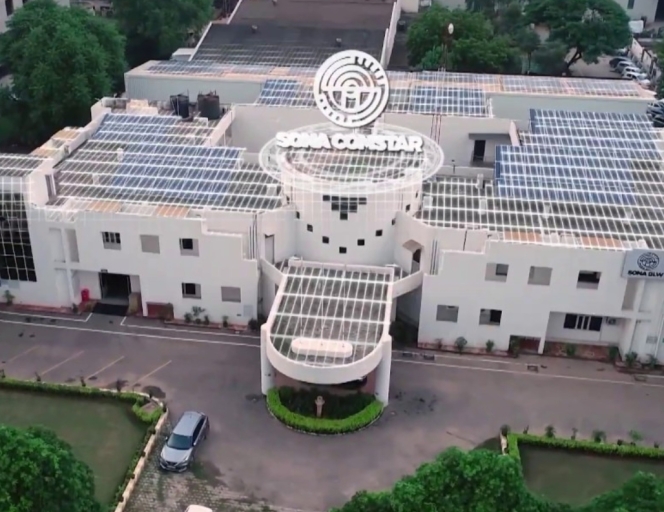
Sona BLW Precision Forgings (Sona Comstar) has reported its financial results for Q1 FY2026, posting a 5 percent YoY decline in revenue to INR 8.50 billion. The Profit after tax stood at INR 1.24 billion, down 12 percent from the previous year, while EBITDA fell by 19 percent to INR 2.02 billion, with a margin of 23.8 percent.
During the period, the revenue from Battery Electric Vehicles (BEVs) dropped 25 percent YoY to INR 2.10 billion, accounting for 28 percent of the total revenue. However, EV programmes now contribute 75 percent of the company’s INR 262 billion net order book as of the end of the quarter.
Vivek Vikram Singh, MD and Group CEO, said, "Q1 FY2026 was a challenging quarter for us due to the convergence of multiple adverse factors, which are temporary and some have started to resolve already. We ended the quarter with a few large order wins, closing the quarter with an all-time high net order book. We have received a large order from a North American OEM to supply differential assemblies. This is our largest order win in the last two and a half years. We believe this is likely to be one of the most significant and successful EV launches in many years. We have strengthened our position as the leading supplier of drive motors for electric two- and three-wheelers in India by securing another order from our existing customer for their upcoming electric three-wheelers. We have recently signed a term sheet with JNT to form a JV in China. This JV marks a significant step in our strategy to expand into the rapidly growing Asian markets. With a robust order book already in place, we expect operations to commence later this year.”
During the quarter, the company secured two new EV programmes, bringing its total to 60 across 32 customers. Among the key developments was a new joint venture with China’s Jinnaite Machinery (JNT), signed on 20 July. Under this JV, Sona Comstar will invest USD 12 million, while JNT will contribute USD 8 million in assets and business. The JV aims to manufacture and supply driveline systems to automotive OEMs in China and globally, with operations expected to begin in the second half of FY2026.
Additionally, Sona Comstar received an INR 15.5 billion order from a North American OEM to supply differential assemblies for a new electric passenger vehicle platform, with production set to start in Q3 FY2028. A separate order from an Indian OEM for drive motors for electric three-wheelers added INR 2.6 billion to the order book, with production expected to begin in Q4 FY2026.
The company also completed the acquisition of the Railway Equipment Division from Escorts Kubota on 1 June 2025. The business has been fully integrated and its financials consolidated from that date.
Castrol India Reports INR 1.76 Billion Net Profit For Q3 CY2027
- By MT Bureau
- October 25, 2026
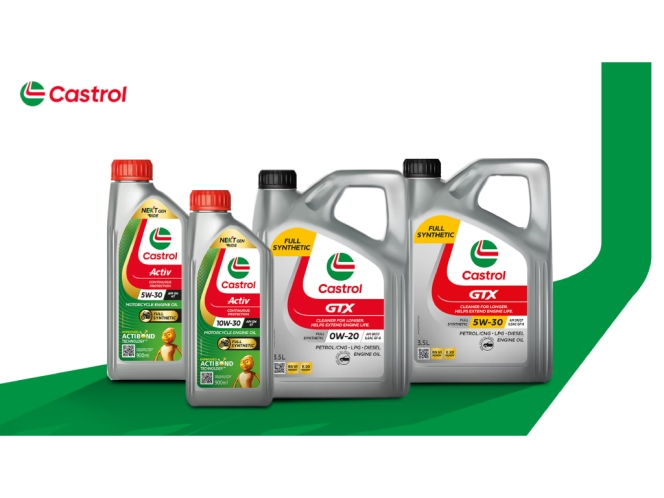
Mumbai-headquartered lubricant major Castrol India has reported its financial results for Q3 CY2026 and 9 months ended 30 September 2026, recording a revenue from operations of INR 17.35 billion for the quarter, representing a growth of 27 percent YoY.
For Q3 CY2026, Earnings Before Interest, Tax, Depreciation and Amortisation (EBITDA) fell 19 percent YoY to INR 2.62 billion, influenced by raw material cost inflation and currency movements.
Profit before tax for the quarter stood at INR 2.43 billion, down from INR 3.08 billion in Q3 of CY2025, while profit after tax reached INR 1.76 billion compared to INR 2.28 billion in the prior-year period.
Over the 9-month period from January to September 2026, revenue from operations grew 20 percent to INR 51.51 billion, up from INR 42.82 billion in 9-months of 2025. The EBITDA grew by 11 percent to INR 10.86 billion, with profit after tax rising to INR 7.66 billion from INR 7.05 billion in the corresponding period of 2025.
During the quarter, Castrol India expanded its distribution network to approximately 167,000 outlets, including 46,000 rural touchpoints. Its service network expanded to over 870 Castrol Auto Service centres, 37,000 independent bike workshops, 16,000 multi-brand workshops and 1,000 Rural Service Express locations.
The industrial business added 700 customers across automotive, machinery, metals, aerospace, and sugar sectors, alongside 175 additions in automotive and mining segments. Product introductions during the period included Magna CTX circulating oils and localised versions of Castrol Engine Shampoo and Hysol XBB metalworking fluids.
Saugata Basuray, Managing Director of Castrol India, said, "In a quarter marked by a sharp rise in raw material costs and adverse currency movements, Castrol delivered a resilient performance. Pricing actions taken early in the year helped moderate the impact on margins, while we continued to invest in expanding our distribution network in rural India and accelerating our industrial business, which delivered another quarter of double-digit volume growth."
Mrinalini Srinivasan, CFO, Castrol India, said, "Our EBITDA grew 11 percent over 9 months, supported by pricing action we took early in the year. As communicated in August, we expect the operating environment to remain volatile and inflationary. We will act with agility to manage margin pressures through pricing and cost actions, while remaining focused on growing market share across every segment in which we operate."
Tsuyo, LvKON Announce Technical Collaboration For Electric Commercial Vehicle Powertrains
- By MT Bureau
- October 23, 2026
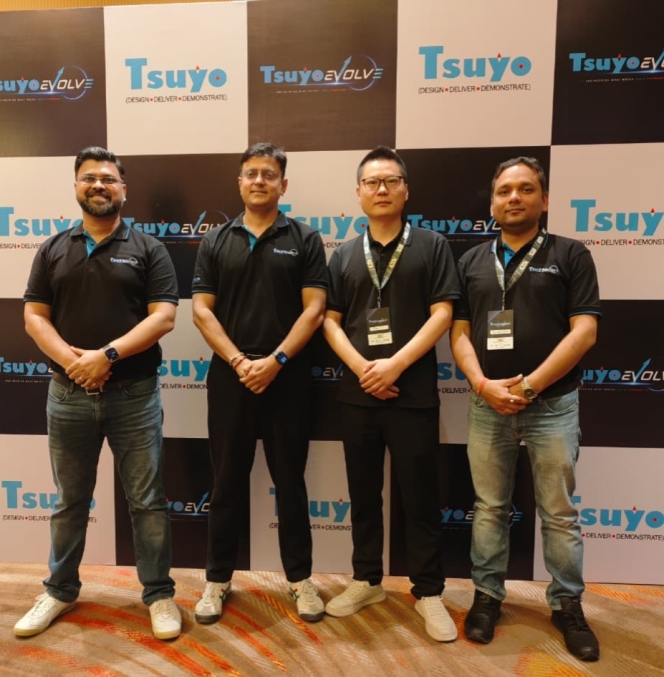
Tsuyo Manufacturing has entered into a technical collaboration with Suzhou Lvkon Transmission Technology (LvKON) to develop and manufacture electric drive systems for commercial vehicles in India.
Building on a five-year operational relationship, the partnership combines Tsuyo's domestic manufacturing presence and relationships with vehicle manufacturers with LvKON's engineering expertise in commercial vehicle drivetrains.
As part of its expansion strategy, Tsuyo is advancing plans for a 24-acre manufacturing facility to serve as an integrated platform for electric powertrain engineering, production, testing, and validation. The collaboration focuses on the development and industrialisation of electric motors, transmissions, integrated drive systems and electronic control units for trucks, buses, and other commercial applications.
Under the agreement, LvKON will support Tsuyo across product engineering, design validation, manufacturing processes, testing protocols and aftersales infrastructure to shorten development cycles and scale commercialisation.
Vijay Kumar, Founder and CEO, Tsuyo Manufacturing, said, "LvKON brings established expertise in electric drive systems for new energy commercial vehicles, with capabilities spanning drive motors, transmissions, control systems, and integrated product development. Its experience across commercial vehicle applications provides a valuable technological foundation for addressing the performance, durability, efficiency, and reliability requirements of demanding operating environments. With LvKON's technology and industrialisation support, the aim is to establish world-class capabilities in electric drive systems and create a scalable foundation for developing and supplying next-generation solutions for India's commercial mobility sector."
Eric, Director of International Sales at LvKON, said, "For the Indian electric commercial vehicle market, LVKON believes that its development potential is enormous. Based on the rapid development of the current Indian market, LvKON also hopes to play an important role in this rapid development process. We have a very professional technical team that can respond quickly to the differentiated needs of the Indian market and efficiently complete customised design and production work. Once again, I would like to express my affirmation of the long-term development of the Indian market. Let us grow together and work together to support the development of the Indian commercial vehicle market."
Hexpol To Acquire 80% Stake In Turkish Compounder Symplast For Euro 54 Mln
- By MT News
- October 22, 2026
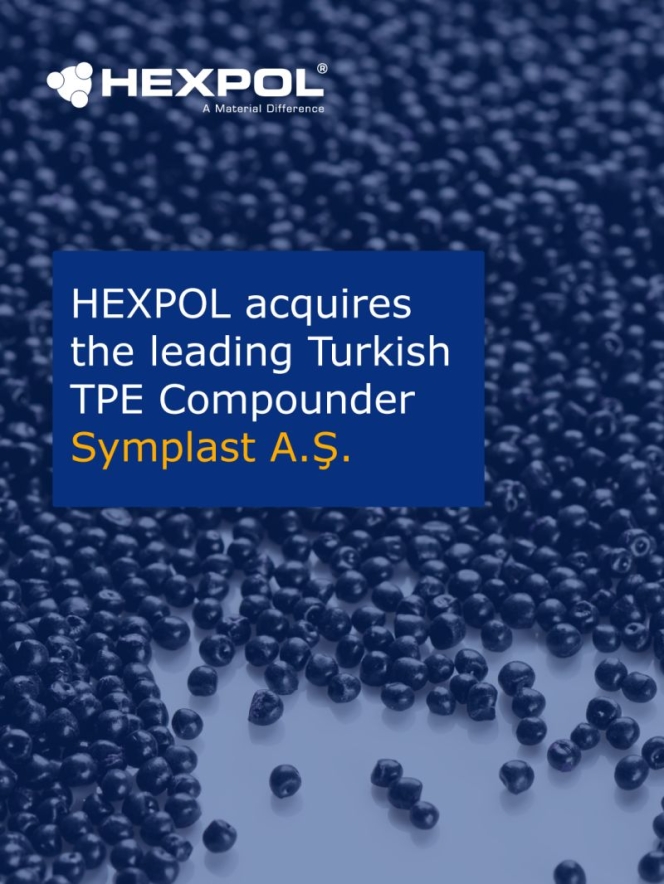
Hexpol, the Swedish polymer group, has agreed to acquire an 80 percent stake in Symplast A.Ş., a Turkish manufacturer of thermoplastic elastomer compounds, for Euro 54 million on a cash- and debt-free basis.
The deal will expand Hexpol’s thermoplastic compounding operations and strengthen its presence in Türkiye, where Symplast supplies customers in the automotive, construction, consumer and electronics industries. The acquisition is expected to close by the end of the first quarter of 2027, subject to customary closing conditions, including competition authority approval.
Symplast, headquartered in İzmir, was founded in 2013 by four shareholders: Selahattin Dülger, Ali Rıza Kır, Yaşar Kurtuluş and Fahri Tolga Sarıkahya. The company has annual sales of about Euro 34 million and employs 135 people.
Its operations include a manufacturing facility, headquarters and research and development centre in İzmir, a semi-finished materials facility in Poti, Georgia, and a sales office in Germany. The İzmir site has available capacity and room for expansion within its existing footprint.
Symplast makes engineered thermoplastic elastomers for applications including automotive weather seals, window and door systems, construction membranes, consumer products, cable sheathing and connectors. Its in-house research and laboratory capabilities support the development of formulations tailored to customers’ requirements.
Sarıkahya and Kır will continue to run the business as a subsidiary of Hexpol’s Thermoplastic Compounding division.
“The acquisition of Symplast is another important step in executing the growth strategy for our Thermoplastic Compounding business area. Symplast gives HEXPOL a strong position in Turkey, an attractive and strategically located manufacturing market with a well-developed automotive and construction industry,” says Henrik Elmin CEO and President of HEXPOL.
“Symplast brings strong formulation and application expertise, modern production capabilities and an entrepreneurial organization with a clear focus on customer service. The company is highly complementary to our existing thermoplastic operations and provides an attractive platform for continued growth, both in Turkey and in export markets,” concludes Jan Wikström, President business area HEXPOL Thermoplastic Compounding.
“We are very pleased to have found a long-term industrial owner that shares our commitment to product quality, technical expertise and close customer relationships,” says Selahattin Dülger, Chairman of the Board and one of the founders of Symplast.
“HEXPOL has demonstrated a deep understanding of our business and a clear ambition to invest in its continued development. Becoming part of HEXPOL will give Symplast access to broader technical capabilities, an international customer base and the resources required to accelerate its growth, while preserving the entrepreneurial culture on which the company has been built,” concludes Dülger.
Hexpol said at its Capital Markets Day in November 2025 that it would increase its focus on thermoplastic compounding as a key growth platform. The Symplast acquisition adds a manufacturing presence in Türkiye and access to customers in the domestic market, Europe and neighbouring regions.
The Euro 54 million purchase price will be funded through a combination of bank facilities and cash. Hexpol will have an option to acquire the remaining shares, while the founders will have an option to sell their remaining holdings to the group.
- Mannol
- Euro 7
- European Automobile Manufacturers Association
- American Petroleum Institute
- International Lubricant Standardization and Approval Committee
- Molibden Ultra
- Legend
- Konstantin Gaab
- SCT Vertriebs
Mannol Highlights Role Of Advanced Lubricants For Euro 7 Emissions Standards
- By MT Bureau
- October 21, 2026
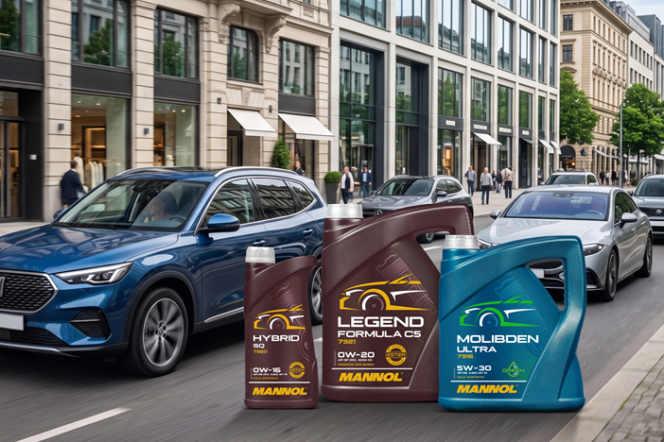
German lubricant manufacturer Mannol has stated that the introduction of European Euro 7 emissions regulations will increase the technical demands placed on engine oil durability and exhaust aftertreatment compatibility.
Scheduled to take effect for new vehicle types in categories M1 and N1 starting 29 November 2026, the Euro 7 framework extends regulatory oversight to particulate emissions from braking systems and minimum durability requirements for traction batteries, alongside stricter monitoring of tailpipe emissions over extended vehicle lifespans.
Because the standard mandates compliance over an eight-year or 160,000-kilometre period, the long-term stability of engine components and lubricants becomes critical to preventing deposit accumulation and catalyst fouling.
Mannol notes that specifications established by organizations such as the European Automobile Manufacturers Association, the American Petroleum Institute and the International Lubricant Standardization and Approval Committee provide the technical framework for lubricant selection. low- and mid-SAPS formulations limit sulphated ash, phosphorus and sulphur content to protect particulate filters and catalytic converters, while lower high-temperature high-shear viscosities reduce hydrodynamic friction losses in modern powertrains.
The company offers specialised products within its portfolio, including the Molibden Ultra 5W-30 formulation combining ACEA C2 and C3 with API SQ and ILSAC GF-7A standards, the Legend Formula C5 0W-20 for low-viscosity manufacturer approvals, and the Hybrid SP 0W-16 developed for hybrid powertrains and thermal cycling conditions.
Konstantin Gaab, Managing Director of SCT Vertriebs, said, "From our perspective, Euro 7 is not merely a further development of emissions legislation, but above all a signal that modern vehicles will need to meet increasingly stringent requirements for long-term technical durability. The challenge for the lubricant industry is to further reduce friction losses and, consequently, energy consumption without compromising wear protection or the performance of exhaust aftertreatment systems. Modern performance standards such as ACEA C5, C6 and C7, as well as API SQ and ILSAC GF-7, provide the industry with an important technical foundation. The key will be to translate these requirements into high-performance formulations tailored to specific engine designs. Our existing MANNOL portfolio already supports a range of modern powertrain technologies. At the same time, we regard the continuous development of our lubricants as essential to meeting the future requirements of vehicle manufacturers. Our aim is not simply to respond to regulatory changes, but to understand their technical implications at an early stage and incorporate them into the ongoing development of our product portfolio."
Comments (0)
ADD COMMENT